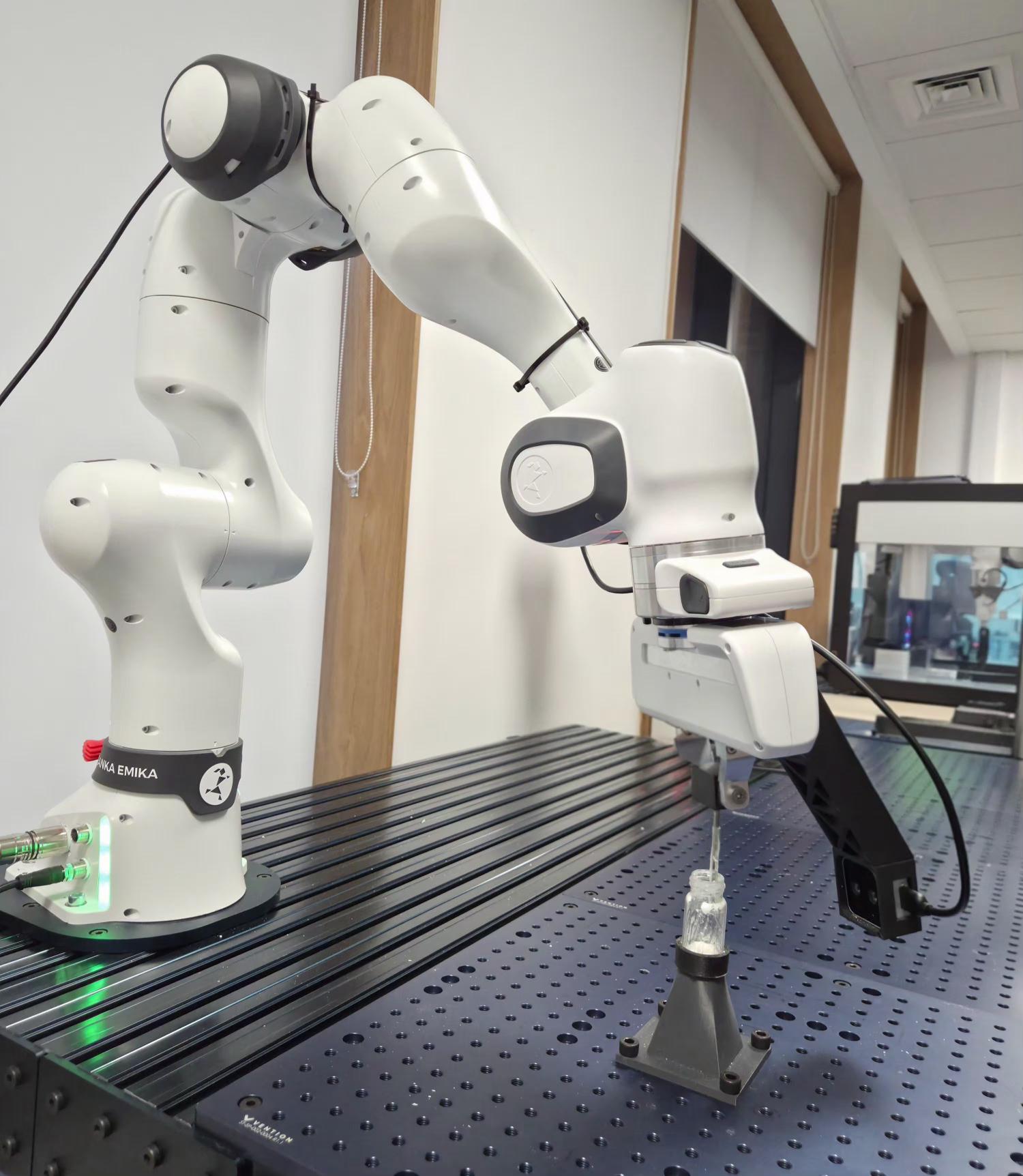
Developing the next generation of robotic scientists at the University of Liverpool.
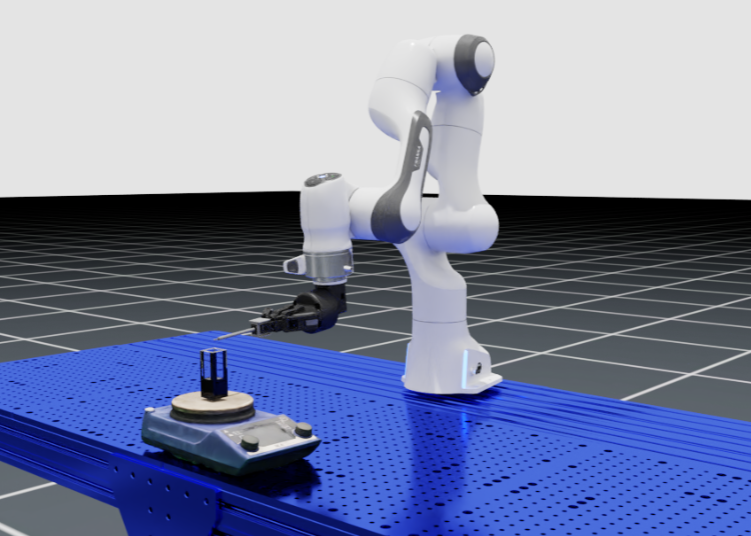
Learn MoreOur group is dedicated to cutting-edge research in robotics and automation for scientific discovery, with a particular focus on chemistry lab automation. Our interdisciplinary team comprises engineers, computer scientists, and digital chemists all committed to pushing the boundaries of robotics and automation in this domain.
We engage in both fundamental and applied robotics research, collaborating with industry partners, and international institutions to address complex challenges facing the deployment of intelligent robotic systems in real-world scientific labs.
Investigating how learning-based methods can be applied in highly challenging, contact-rich laboratory tasks.
Developing safety-critical frameworks and robust control paradigms to ensure robotic systems operate reliably alongside lab instrumentation and hazardous materials.
Exploring the integration of collaborative robotics into experimental workflows, focusing on systems that understand human intent and provide proactive assistance to researchers.
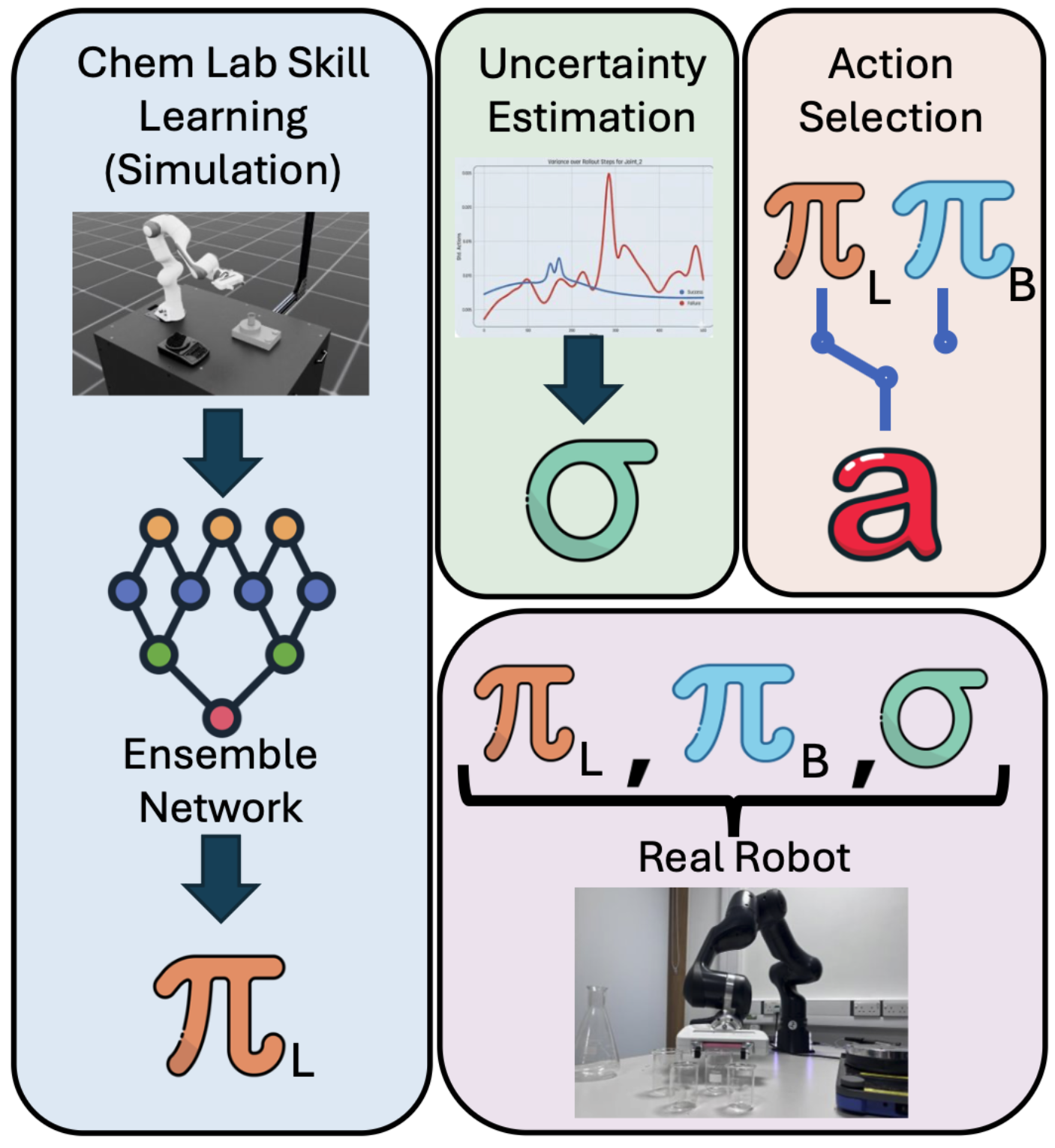
Upskilling Robotic Scientists For Long-term Laboratory Workflows.
Learn More →Accelerating Laboratory Automation Through Learning Tool Morphology For Robotic Chemists.
Learn More →Transforming Chemistry Labs with Safe and Intuitive Human-in-the-Loop Robotic Systems, in collaboration with Dr. Luis Figueredo at the University of Nottingham.
Learn More →Nikola Radulov, Alex Wright, Thomas Little, Andrew I. Cooper, Gabriella Pizzuto.
Cenk Cetin, Shreyas Pouli, Gabriella Pizzuto.
Satheeshkumar Veeramani, Anna Kisil, Abigail Bentley, Hatem Fakhruldeen, Gabriella Pizzuto, Andrew I. Cooper.
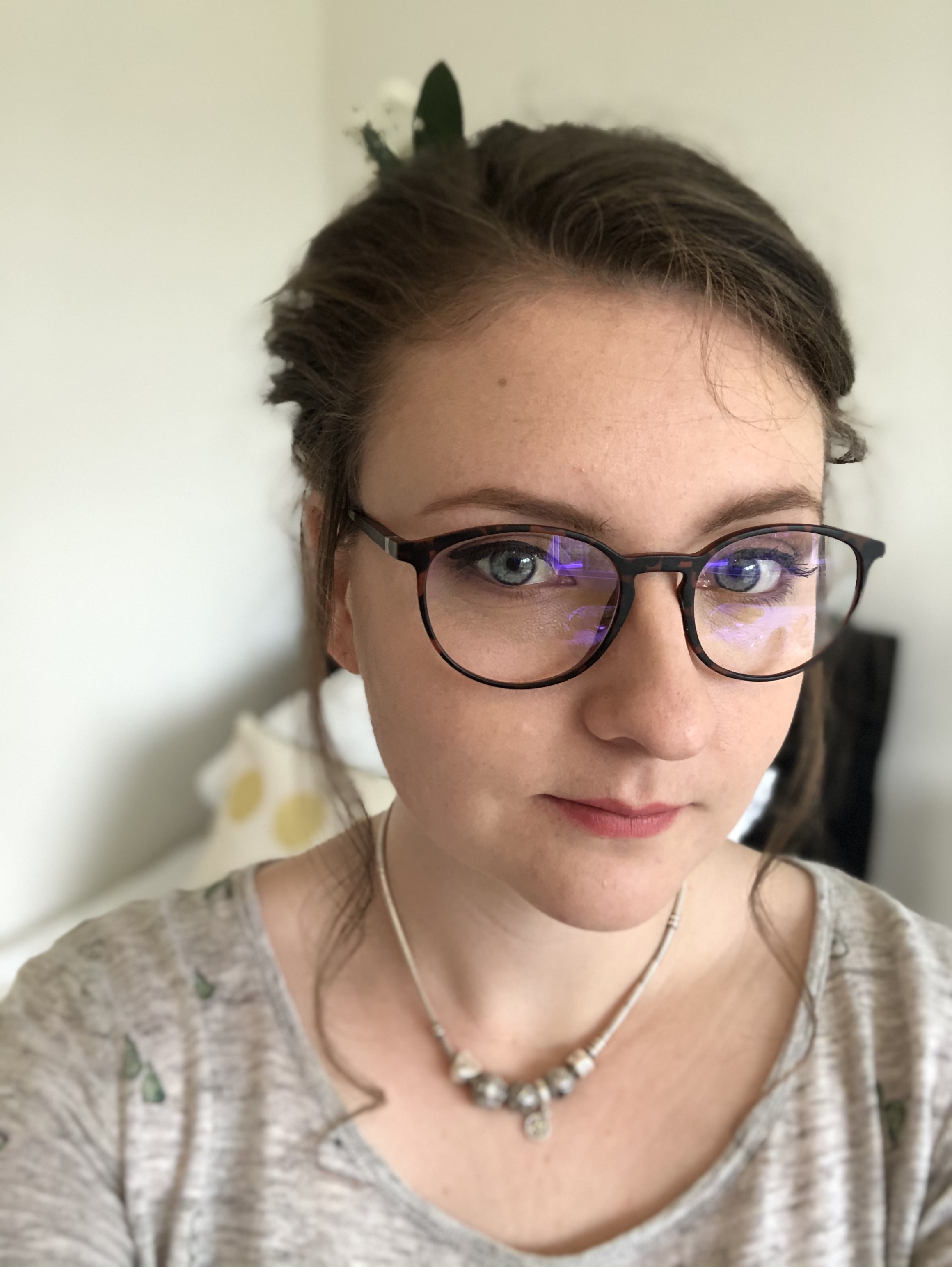
Principal Investigator
I am a Lecturer (Assistant Professor) in Robotics and Chemistry Automation on a joint appointment across the Department of Computer Science and the Department of Chemistry, a Royal Academy of Engineering Research Fellow and ECR Co-Chair on the EPSRC AI Hub in Chemistry (AIChemy).
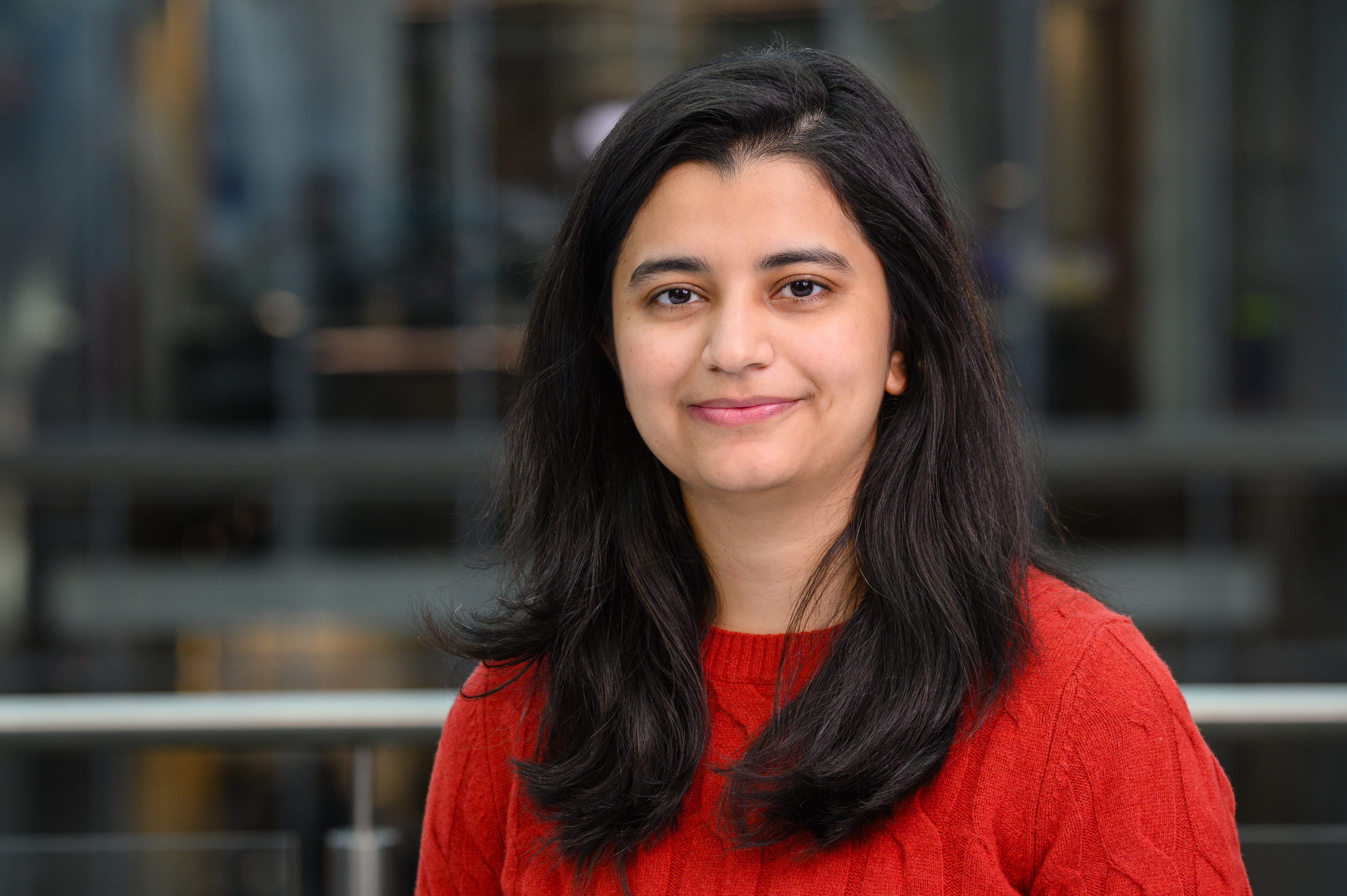
PDRA
My research focuses on modeling and optimization for robotic systems in automated chemistry laboratories. I am particularly interested in developing methods to improve efficiency, robustness, and adaptability in experimental workflows.
PhD Student (Leverhulme Research Centre for Functional Materials Design)
I specialize in bridging the sim-to-reality gap in robotic manipulation by integrating physical insights into computational models. My current work focuses on the autonomous manipulation of granular materials to accelerate the pace of materials discovery.
PhD Student (Leverhulme Research Centre for Functional Materials Design)
My research project aims to enhance the capabilities and situational awareness of autonomous robotic systems in chemistry laboratory environments, with an overarching goal of improving their safety and enhancing human-robot interaction.
PhD Student (RAEng Research Fellowship)
I work on contact-rich robotic manipulation and adaptive control, applying reinforcement learning to develop dexterous robot skills, sim-to-real transfer, force-aware control, and robotic lab automation.
PhD Student (CDT DAMC)
My research is focused on using imitation learning techniques to develop safer robotics chemists. I have a backround in industrial control and I am interested in blending traditional control strategies with learning methods to equip robot chemists with autonomy and safety assurance.
PhD Student (CDT DAMC)
My research focuses on automating pharmaceutical dissolution testing in collaboration with Bristol Myers Squibb. I am particularly interested in uncertainty-aware, human-in-the-loop robotic systems that can intelligently determine when to act autonomously and when to defer to human expertise.
If you’re passionate about advancing robotic systems to accelerate the future of scientific discovery, we want to hear from you.
We will soon be advertising a new PDRA position focused on robot learning for manipulation. Contact the PI with your CV and research interests.
We will be advertising for a new PhD studentship for an October 2026 start on robot learning for resilient, long-term chemistry experiments.
We support undergraduate research through various competitive internship schemes. Please see the links below for eligibility and typical application windows.
July 1, 2025
Our website is now live! We are excited to share our research and updates with the community. Stay tuned for more content and insights from our team.
We welcome collaborations, inquiries, and prospective student applications. Feel free to reach out to us.